Home / Understanding the investment

Understanding the investment

What’s behind
the number?

A reliable proposal starts with your home, your priorities, and a clearly defined scope.

01

The home you’re starting with

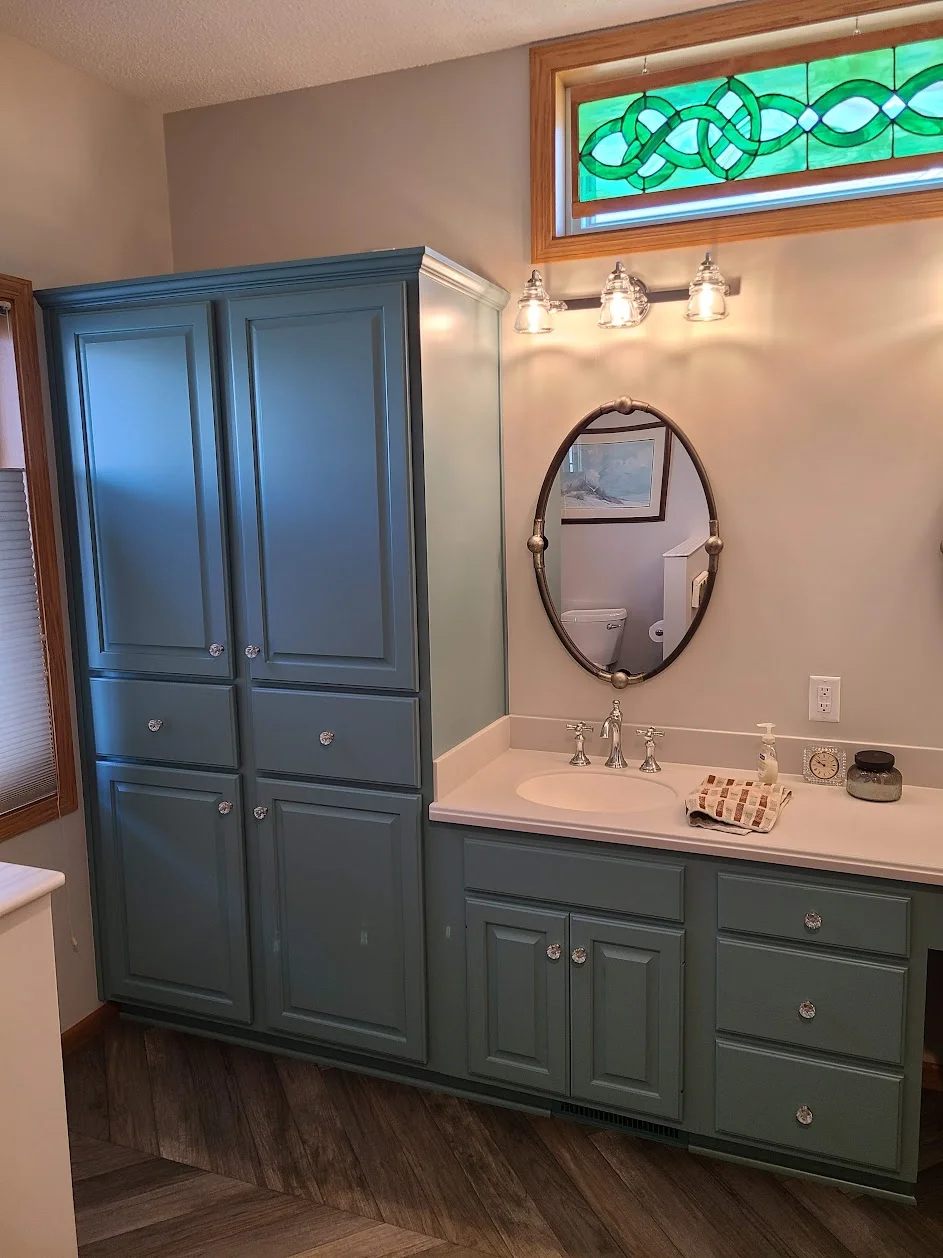
Older homes often require more investigation and problem-solving than newer homes. Behind the walls, a remodeler may uncover outdated wiring, old plumbing, framing that no longer meets current standards, water damage, insulation issues, or previous repairs that need to be corrected before new finishes can be installed. These hidden conditions can affect both labor and materials, which is why older homes often need a larger contingency budget.
02

How much you want to change

Scope is one of the biggest cost drivers. A cosmetic refresh, such as painting, replacing fixtures, or updating flooring, is very different from a full remodel that involves moving walls, changing plumbing, upgrading electrical systems, replacing cabinetry, or adding square footage. The more trades involved and the more areas touched, the more time, coordination, materials, and permitting are required.

03

Custom details

Custom work typically costs more than standard or off-the-shelf solutions because it requires more planning, coordination, fabrication, and skilled labor. Examples include custom cabinetry, built-ins, specialty tile patterns, detailed trim work, unique layouts, hidden storage, custom lighting plans, or a space designed around very specific lifestyle needs. These choices can make a project feel truly personal, but they also add time and complexity.

04

Materials and the work behind them

Material and product selections can create a wide range in cost. Stock cabinets, basic fixtures, and builder-grade finishes will price differently than custom cabinets, premium countertops, designer plumbing fixtures, luxury appliances, specialty flooring, or high-performance windows. Quality also includes what you do not always see, such as waterproofing systems, proper ventilation, durable substrates, and code-compliant installation methods.

05

Skilled labor and project management

Labor is a major part of remodeling cost because successful projects rely on skilled trades, scheduling, supervision, and quality control. Projects that require electricians, plumbers, HVAC technicians, carpenters, tile setters, designers, permit coordination, and site management will cost more than simple updates. Allrounder Remodeling’s approach is built around careful planning, clear communication, and a comfortable experience for you and your family from the first conversation through final cleanup.

06

Earlier work that needs correcting

Previous DIY work or poor-quality renovations can add cost if your remodeler needs to correct unsafe, incomplete, or non-code-compliant work before moving forward. This may include fixing improper framing, correcting drainage or waterproofing problems, updating electrical work, repairing subfloors, or addressing unpermitted changes. Correcting these issues protects the finished project and helps prevent future failures.

07

Structural and technical complexity

Some changes are more complex than they appear. Moving a sink, enlarging a shower, removing a wall, relocating windows, changing rooflines, adding structural beams, or reworking mechanical systems can increase the cost because they require design work, engineering, permits, inspections, and multiple trades. Complexity also affects the schedule, especially when work must happen in a specific sequence.

08

Access and logistics

Access to the work area matters. Condos, high-rises, tight urban lots, limited parking, strict HOA rules, elevator reservations, noise restrictions, long material carry distances, limited staging space, and difficult demolition access can all increase labor time and coordination. These logistical factors may not change the design, but they can affect the final cost.

09

Permits and inspections

Projects that involve structural, electrical, plumbing, mechanical, or exterior changes may require permits and inspections. Permit requirements vary by city and project type, but they are part of doing the work properly. Code updates can also affect cost, especially when older systems must be brought up to current standards during the remodel.

10

Timing and availability

Costs can also be affected by labor availability, material lead times, product pricing, and the season in which the work is scheduled. When skilled trades are in high demand or specialty products have long lead times, pricing and schedules can be affected. Planning early gives you more time to make selections, compare options, and avoid rushed decisions.

Start with what matters most.

  • Separate your must-haves from nice-to-haves
  • Be clear about the level of finish you want
  • Compare detailed scopes, not just totals
  • Allow for genuinely hidden conditions
  • Make selections before construction
  • Consider service, communication, and ongoing care

Our fixed-cost proposal reflects the agreed scope. Client-requested changes and genuinely hidden defects can still lead to additional cost or time.

Why two estimates can look so different.

One estimate may include design time, permit coordination, specific finishes, protection of the surrounding home, cleanup, and warranty support. Another may cover only the visible construction work. A useful comparison starts with the same scope and service level.

Look at the assumptions, the material quality, the management and communication included, and how hidden conditions have been considered. A clear written scope helps you understand what is included and what is not.

Start with your priorities.

  1. Separate must-haves from nice-to-haves and improvements that could happen later.
  2. Be clear about the finish quality and level of customization you want.
  3. Ask for a detailed scope, including exclusions and assumptions.
  4. Discuss a contingency for hidden conditions, particularly in older homes.
  5. Make selections early to reduce allowances, delays, and later changes.
  6. Compare process, communication, and service alongside the price.

Step one

Let’s talk about your home.

A fifteen-minute conversation about your space, your priorities, and what you have in mind. Friendly advice. No pressure.

A good place to begin

Schedule a 15-minute call.

A friendly conversation about your home and what’s possible.

15 minutesPhone consultation

Choose a day and time for your introductory call.

Scheduling preview · sample availabilityCentral Time (Chicago)

Prefer to call? 651-497-7715 ↗